

Metal Circular Connectors play a critical role in modern industrial, automation, medical, and defense applications where reliability, durability, and signal integrity are non-negotiable. At Gaoshiwei, we work closely with global customers to deliver metal circular connector solutions that meet demanding environments and strict performance standards. In this in-depth guide, I’ll explain what metal circular connectors are, how they work, why they matter, and how to choose the right one for your application.
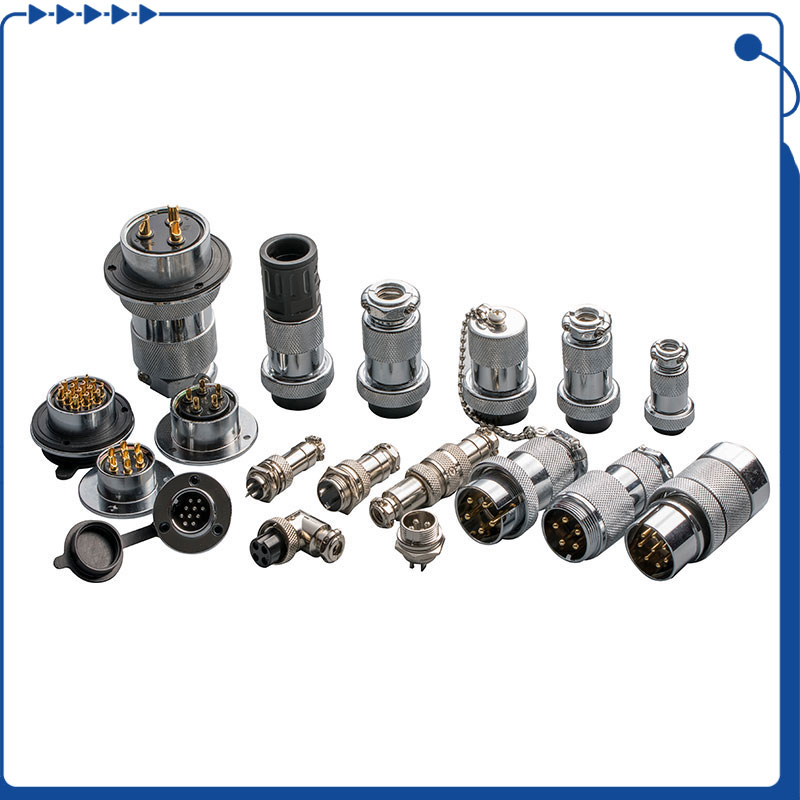
Metal Circular Connectors are round-shaped electrical connectors designed to transmit power, signal, or data between devices. Unlike plastic connectors, they use metal shells—typically aluminum alloy, stainless steel, or brass—to provide enhanced mechanical strength and environmental resistance.
Their circular geometry ensures uniform stress distribution, making them ideal for vibration-prone environments such as industrial machinery, transportation systems, and aerospace equipment.
From my experience working with industrial clients, the metal shell is often the deciding factor. Metal housings offer:
These advantages explain why Metal Circular Connectors are preferred in mission-critical systems where failure is not an option.
Metal Circular Connectors operate through a mating mechanism—such as threaded coupling, bayonet locking, or push-pull locking—that securely joins a plug and receptacle. Inside the connector, precision-engineered contacts ensure stable electrical transmission.
Once mated, the metal shell provides grounding and shielding, while internal seals protect against dust, moisture, and chemicals. This integrated design balances electrical performance and physical durability.
Metal Circular Connectors are widely adopted across multiple industries:
At Gaoshiwei, we’ve seen growing demand for customized metal circular connectors tailored to specific voltage, current, and environmental requirements.
Material selection directly impacts connector performance. Common options include:
Surface finishes such as anodizing, nickel plating, or chrome plating further enhance durability and appearance.
Compliance with international standards ensures compatibility and safety. Common standards include:
Choosing certified Metal Circular Connectors reduces risk and improves long-term system reliability.
When selecting a metal circular connector, I recommend evaluating the following:
| Feature | Metal Circular Connectors | Plastic Circular Connectors |
|---|---|---|
| Mechanical Strength | High | Medium |
| EMI Shielding | Excellent | Limited |
| Environmental Resistance | IP65–IP68 | IP54–IP67 |
| Typical Applications | Industrial, military, medical | Consumer, light industrial |
Yes. With proper sealing and IP ratings, Metal Circular Connectors perform reliably in outdoor and harsh environments.
While metal connectors are heavier than plastic ones, aluminum alloy options balance strength and lightweight design effectively.
Absolutely. Pin layouts, shell sizes, locking mechanisms, and finishes can be customized based on application needs.
In conclusion, Metal Circular Connectors offer unmatched reliability, durability, and performance for demanding applications. Whether you are designing new equipment or upgrading existing systems, selecting the right connector partner is just as important as choosing the right specification. If you’re exploring high-quality metal circular connector solutions, Gaoshiwei is ready to support your project—contact us today to discuss your requirements and discover how we can add value to your connection systems.


